Can you ship your car with stuff inside
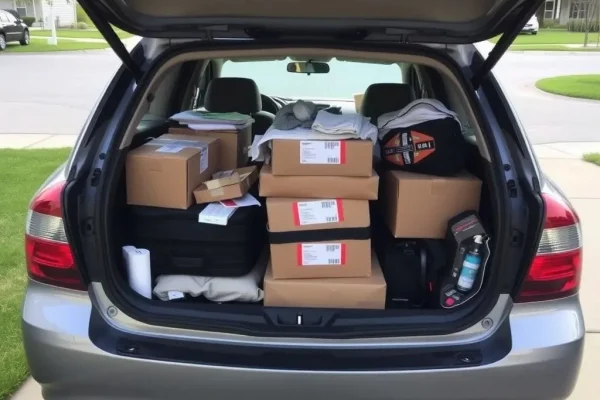
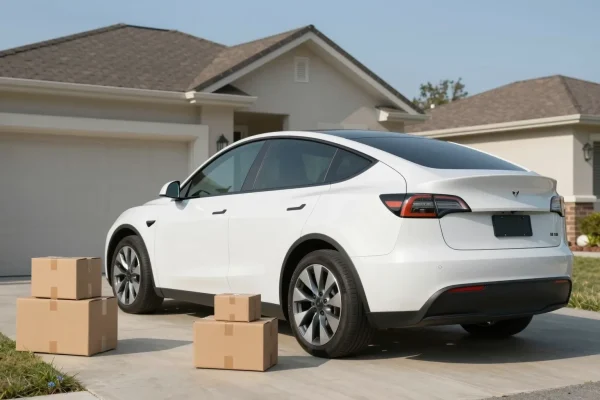
When planning a cross-country move, the logistics of transporting both your vehicle and personal belongings can be overwhelming. A common question that arises is whether you can ship your car with stuff inside. While it may seem efficient to combine vehicle transport with the movement of personal items, several factors need consideration, such as shipping regulations, vehicle weight limits, and transport insurance.
Understanding Vehicle Transport Options
Auto transport companies offer various services to cater to different needs. The two main types of carriers are:
Open Carrier
The most common and cost-effective option, open carriers transport vehicles on an open trailer. However, they offer less protection from the elements, which might be a concern if your vehicle is filled with personal belongings.
Enclosed Carrier
Enclosed carriers provide additional protection by shielding vehicles from weather and road debris. This option is typically more expensive but offers a higher level of security for both the vehicle and any items inside.
Shipping Regulations and Vehicle Weight Limit
Shipping regulations vary by auto transport companies and states. Most companies discourage or even prohibit shipping a car with personal belongings inside. The primary reasons include:
- Weight Limit: Exceeding the vehicle weight limit can lead to additional charges or refusal to transport.
- Prohibited Items: Certain items, such as hazardous materials, are prohibited inside the vehicle during transport.
- Insurance Coverage: Transport insurance typically covers only the vehicle, not personal items inside.
Insurance and Liability
Transport insurance is crucial for ensuring secure transport of your vehicle; It’s important to understand what is covered:
- Vehicle Coverage: Most policies cover damage to the vehicle itself during transit.
- Exclusions: Personal belongings inside the vehicle are generally not covered. Consider separate moving services for these items.
Preparing Your Vehicle for Shipping
Whether or not you choose to ship items inside your car, proper preparation is essential:
Vehicle Inspection
Conduct a thorough vehicle inspection before shipping. Document any existing damage and ensure it’s noted in the transport contract.
Packing Guidelines
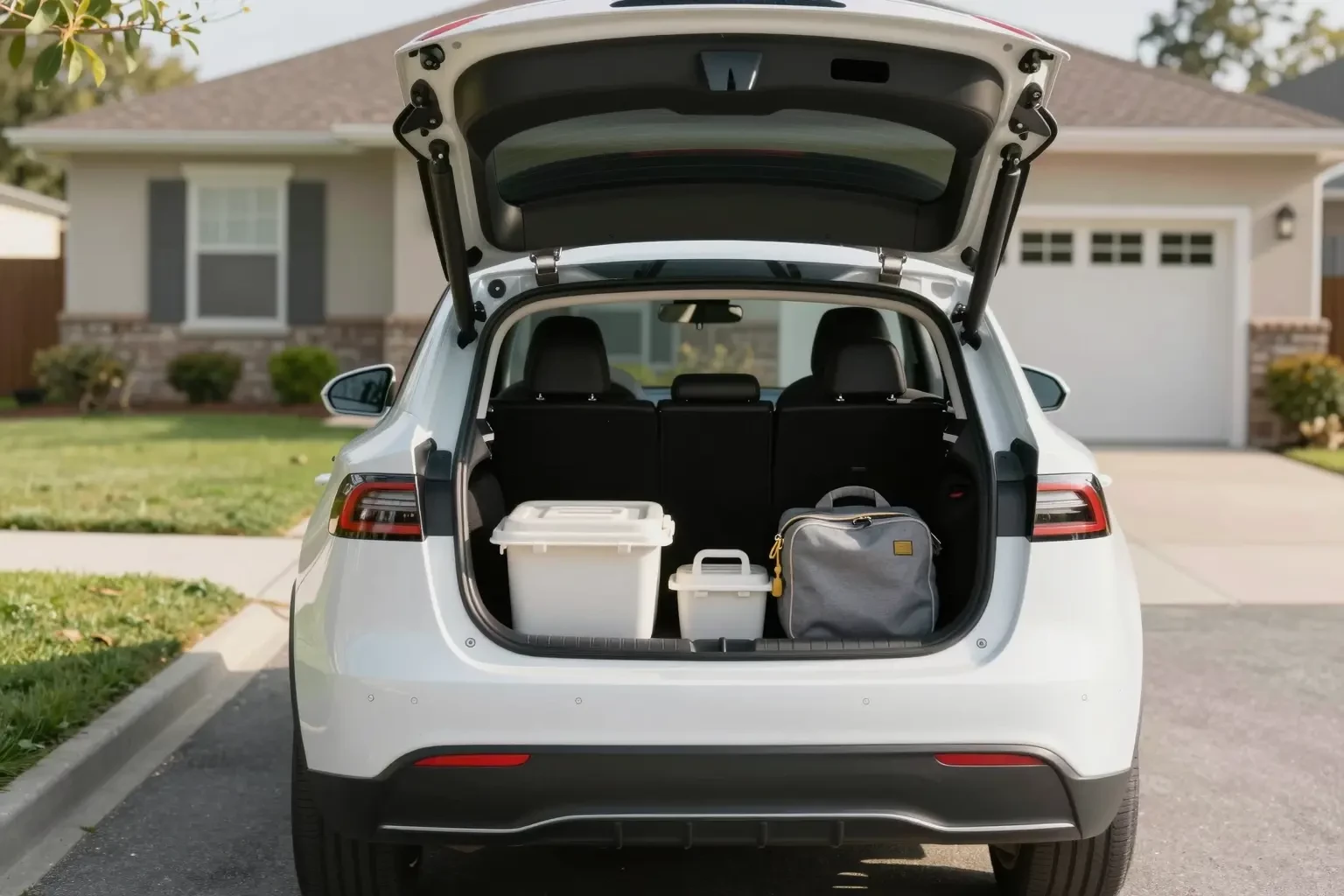
If you decide to ship personal belongings, follow these packing guidelines:
- Distribute weight evenly to avoid damage.
- Ensure items are secure to prevent shifting during transit.
- Avoid packing fragile or valuable items.
Cost Considerations
Shipping cost varies based on several factors, including:
- Distance: Longer distances generally increase costs.
- Carrier Type: Enclosed carriers are more expensive than open carriers.
- Vehicle Condition: Transporting non-operational vehicles may incur additional fees.
Door-to-Door Service and Delivery Time
Many auto transport companies offer door-to-door service, enhancing convenience by picking up and delivering your vehicle at specified locations. However, delivery times can vary based on distance, route, and other logistical factors.
While it is possible to ship your car with stuff inside, it’s important to weigh the benefits against potential risks and costs. Adhering to shipping regulations, understanding insurance limitations, and preparing your vehicle properly can facilitate a smooth transport experience. For secure transport, consulting with a reputable auto transport company will provide guidance tailored to your specific needs and the logistical aspects of your move.
Ultimately, when moving cross-country, balancing the convenience of transporting personal belongings with your car against the potential for increased costs and liability is crucial. Consider all options, and make an informed decision to ensure your move is as seamless as possible.