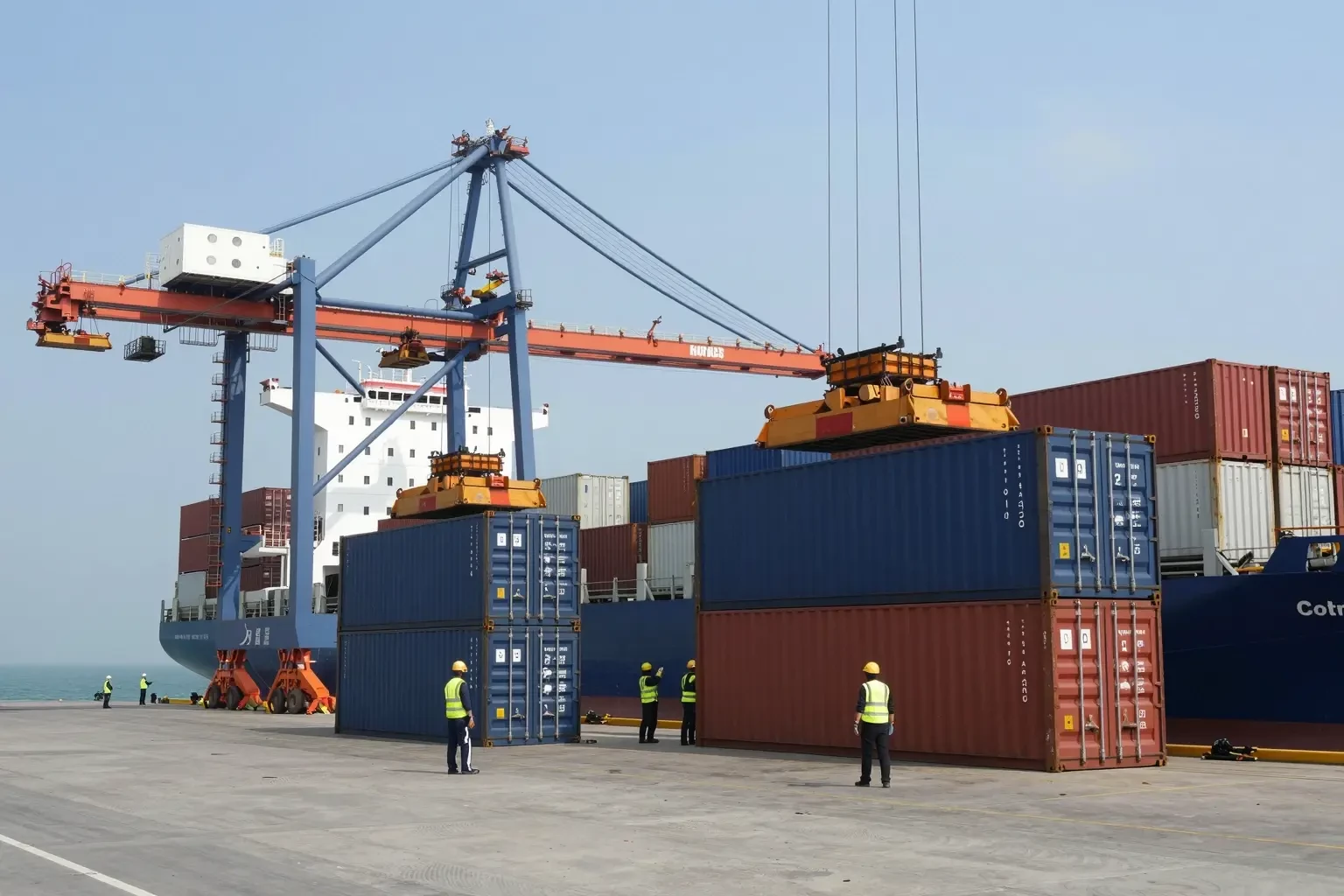
Can you ship car parts internationally
Shipping car parts internationally is a common practice within the automotive industry, allowing businesses and individuals to access a wide range of components from around the world. However, this process involves navigating complex customs regulations, import duties, export restrictions, and other logistical challenges. Understanding these factors is crucial for ensuring seamless cross-border trade and minimizing potential delays and extra costs.
Understanding International Shipping for Car Parts
International shipping of car parts involves multiple steps, from sourcing and packaging to transportation and delivery. It requires careful planning and coordination, often necessitating the expertise of freight forwarding companies. These companies specialize in handling the intricate logistics involved in cross-border shipments, ensuring compliance with international regulations and efficient delivery.
Customs Regulations and Compliance
Each country has its own set of customs regulations that govern the import and export of goods, including car parts. Understanding these regulations is essential for compliance and avoiding potential legal issues. Car parts may be subject to specific requirements, such as safety standards and environmental regulations, which must be met before they can be shipped internationally.
Import Duties and Export Restrictions
Import duties are taxes imposed by a country on goods brought into its territory. When shipping car parts internationally, it is vital to be aware of these duties, as they can significantly impact the overall shipping costs. Similarly, some countries have export restrictions on certain car parts, which must be considered before initiating a shipment.
Logistics and Freight Forwarding
The logistics of shipping car parts internationally involve numerous factors, including transportation modes, routing, and scheduling. Freight forwarders play a crucial role in streamlining these processes, providing expertise in selecting the most efficient and cost-effective shipping methods. They also handle necessary documentation and ensure compliance with international shipping standards.
Key Considerations for International Shipping of Car Parts
Shipping Costs and Packaging Requirements
One of the primary considerations when shipping car parts internationally is the cost. Shipping costs can vary significantly based on factors such as weight, dimensions, and destination. Proper packaging requirements must also be adhered to, ensuring that parts arrive safely and undamaged. This often involves using specialized materials and techniques to protect sensitive components;
Transportation and Delivery Time
The choice of transportation mode can greatly affect the delivery time of car parts. Air freight is typically faster but more expensive, while sea freight offers cost savings with longer transit times. Balancing speed and cost is essential for meeting customer expectations and maintaining competitiveness in the automotive industry.
Insurance and Risk Management
Shipping car parts internationally involves inherent risks, such as loss, damage, or theft. Obtaining adequate insurance coverage is a critical aspect of risk management, providing financial protection in case of unforeseen events. It is important to assess the level of coverage needed based on the value and nature of the parts being shipped.
Documentation and Compliance
Accurate and complete documentation is essential for compliance with customs regulations and smooth processing of shipments. This includes invoices, packing lists, certificates of origin, and any other required paperwork. Ensuring all documentation is in order helps prevent delays and penalties during the customs clearance process.
The Role of the Automotive Industry in Cross-Border Trade
The automotive industry is a significant driver of cross-border trade, with manufacturers and suppliers relying on international shipping to meet global demand. The industry’s complex supply chains necessitate efficient and reliable logistics solutions to support the timely delivery of car parts and components worldwide.
Challenges and Opportunities
While international shipping presents challenges, it also offers opportunities for growth and expansion. By leveraging global supply chains, businesses can access a broader range of products and markets, enhancing their competitiveness. Staying informed about evolving regulations and technologies is crucial for capitalizing on these opportunities.
Shipping car parts internationally is a viable and often necessary part of the automotive industry. With careful planning and attention to detail, businesses can navigate customs regulations, import duties, and export restrictions to ensure successful cross-border shipments. By understanding the intricacies of logistics and leveraging the expertise of freight forwarding services, companies can effectively manage shipping costs, packaging requirements, transportation, and delivery time, ultimately supporting their global operations.