Can you ship a car with stuff in it
Shipping a car across states or even countries is a common concern for many individuals who are relocating or selling their vehicles. An often-asked question in this process is whether you can ship a car with personal items inside. In this article, we will explore the intricacies of car shipping, delve into the policies of various auto transport companies, and offer insights into shipping regulations, transport insurance, and other essential considerations.
Understanding Car Shipping
Car shipping involves the transportation of vehicles from one location to another, typically using specialized carriers. This service is essential for individuals who are moving long distances or purchasing vehicles from other regions.
Types of Car Carriers
- Open Carrier: The most common and cost-effective method, open carriers transport multiple vehicles at once on an open trailer. While efficient, vehicles are exposed to the elements.
- Enclosed Carrier: Offers more protection as vehicles are transported in an enclosed trailer, shielding them from weather and road debris. This option is preferred for luxury or classic cars.
Shipping Personal Items in Your Vehicle
When it comes to transporting personal items or belongings inside your car, there are several factors to consider:
Shipping Regulations and Policies
Many auto transport companies have specific shipping regulations regarding the inclusion of personal items in vehicles. These policies often stem from weight restrictions and liability concerns. Here are some common considerations:
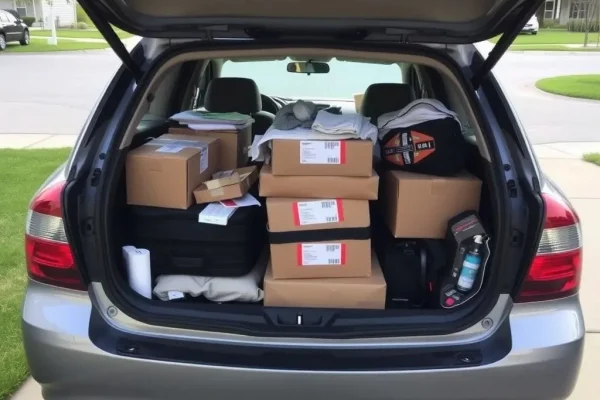
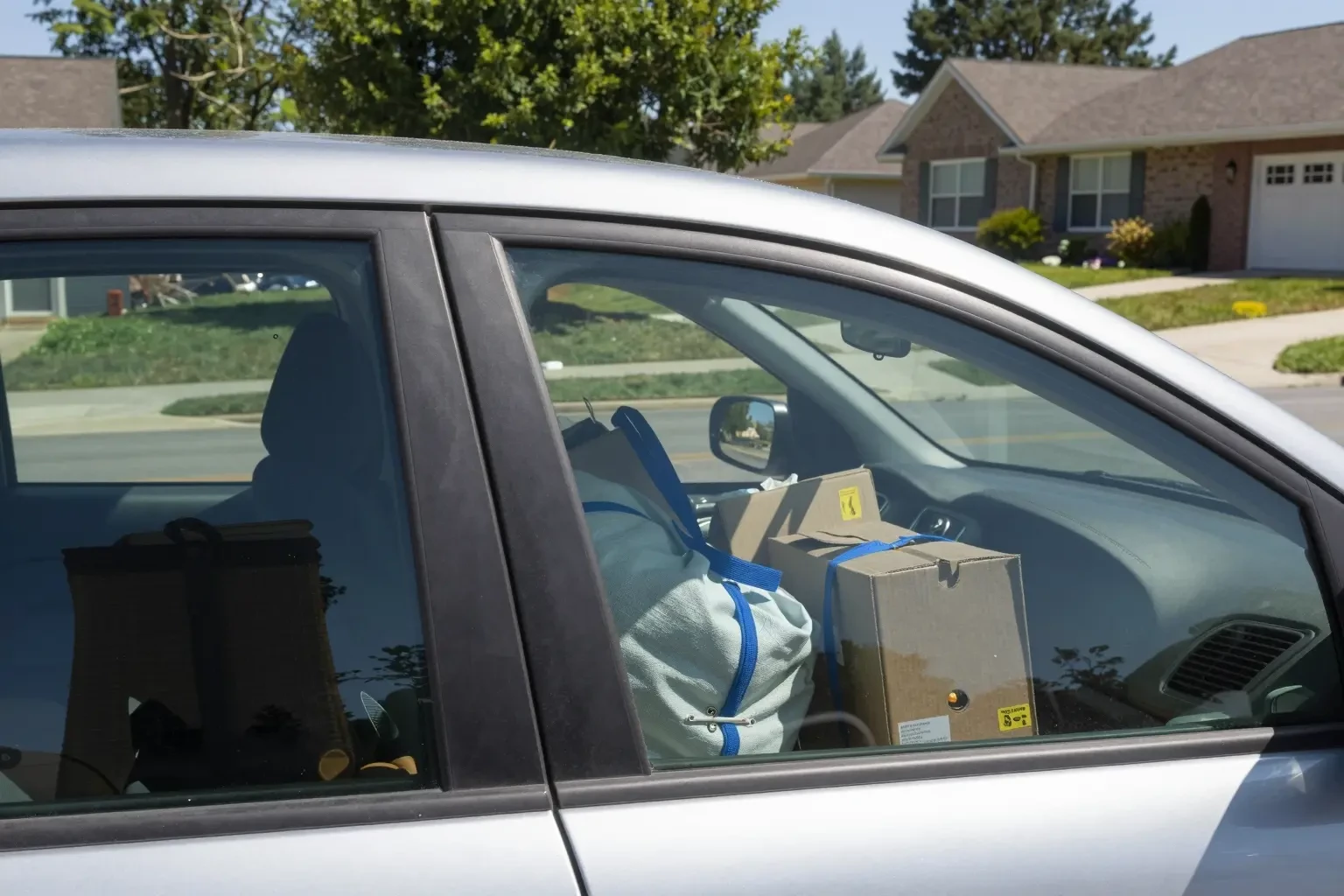
- Most companies allow up to 100 pounds of personal items in the trunk or backseat.
- Items must be packed securely to prevent movement during transit.
- Hazardous materials or perishable goods are typically prohibited.
Weight Restrictions
Weight restrictions are crucial as they affect the transport vehicle’s fuel efficiency and safety. Exceeding the allowed weight can result in additional fees or refusal of service.
Transport Insurance and Liability
When shipping a car, transport insurance is a critical component. While most companies provide insurance for the vehicle itself, personal items are often excluded from coverage. Consider these points:
- Verify what is covered under the transport insurance policy.
- Consider purchasing additional insurance for valuable items.
- Document and photograph items for your records in case of loss or damage.
Packing Guidelines for Personal Items
To ensure that your belongings are safe during transit, follow these packing guidelines:
- Use sturdy boxes or containers for packing items.
- Securely close all containers with tape or straps.
- Place heavier items at the bottom and lighter ones on top;
- Avoid packing fragile or valuable items if possible.
Delivery Options and Security Measures
Understanding the available delivery options and security measures can help you choose the best service for your needs:
Delivery Options
- Door-to-door: The carrier picks up and delivers the vehicle to specific addresses.
- Terminal-to-terminal: The vehicle is delivered to and picked up from designated terminals, which may be more cost-effective.
Security Measures
Auto transport companies implement various security measures to protect vehicles and belongings:
- Vehicles are typically inspected before and after transport.
- GPS tracking systems are used for monitoring the transport process.
- Drivers are trained in handling and securing vehicles.
Transit Policies and Final Considerations
Each transport company will have its own transit policies, so it is crucial to review these thoroughly. Some final considerations include:
- Check if the company provides real-time tracking of your shipment.
- Understand the estimated delivery timeline and potential delays.
- Communicate any specific requirements or concerns to the transport provider.