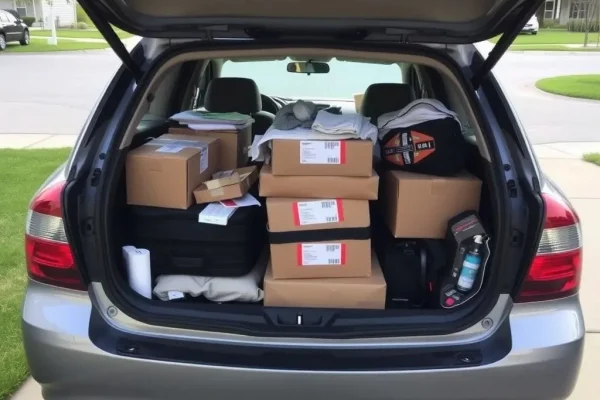
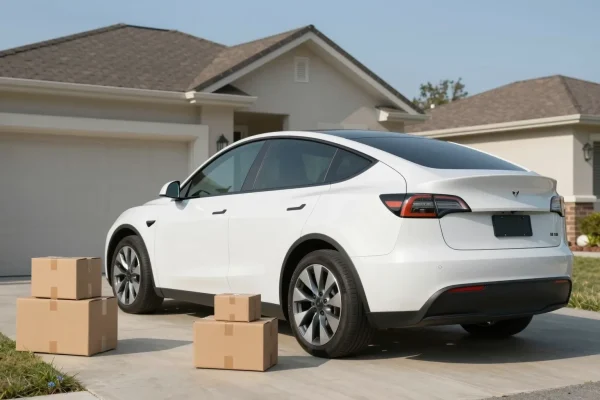
Can you ship a car full of stuff
When planning a cross-country move, many people consider the option of auto transport to relocate their vehicles. The idea of using vehicle shipping services to transport not just the car, but also personal belongings inside it, can be appealing. However, there are several aspects to consider, including transportation regulations, packing guidelines, and insurance coverage.
Understanding Auto Transport and Vehicle Shipping
The process of car shipment involves hiring a moving company to transport your vehicle from one location to another. This service is particularly useful during a cross-country move or when selling a car to someone in a different state. There are two main types of transportation options available: enclosed transport and open carrier.
- Enclosed Transport: Provides maximum protection from elements like weather and road debris but can be more expensive.
- Open Carrier: More cost-effective and commonly used, though vehicles are exposed to the elements.
Rules and Regulations for Shipping Personal Belongings
Most auto transport companies have specific transportation regulations regarding what can be packed inside the vehicle during shipment. Generally, it is not recommended to ship a car filled with personal items due to several reasons:
- Weight Restrictions: Exceeding the vehicle weight limit can lead to additional charges and may affect the shipping costs.
- Insurance Coverage: Standard vehicle shipping insurance usually does not cover personal belongings, leaving them vulnerable to damage or loss.
- Prohibited Items: Many companies prohibit the transport of hazardous materials or valuable items due to safety and liability concerns.
Packing Guidelines for Car Shipment
If you choose to include personal items, follow these packing guidelines to ensure safety and compliance:
- Secure items to prevent movement during transit.
- Pack only non-valuable and non-essential items.
- Avoid overloading the vehicle to prevent additional charges.
Shipping Costs and Insurance Coverage
The shipping costs of transporting a vehicle can vary based on the distance, type of transport, and vehicle size. Additional charges may apply for extra weight due to personal belongings.
It’s crucial to understand the insurance coverage provided by the moving company. Most policies cover the vehicle but not the contents inside. Consider purchasing additional insurance if you decide to ship personal items.
Logistics and Delivery Timeframe
When planning your vehicle shipment, consider the logistics involved. Coordinating with the moving company to determine the delivery timeframe is essential to ensure your vehicle arrives when needed. Delays can occur due to weather, traffic, or other unforeseen circumstances, so it’s important to plan ahead.
While the idea of shipping a car full of personal belongings may seem convenient, it’s important to carefully weigh the risks against the benefits. Compliance with transportation regulations, understanding insurance coverage, and adhering to packing guidelines are essential for a smooth and successful car shipment.
Ultimately, the decision depends on individual circumstances, such as the value of the items, the reliability of the moving company, and the specific logistics of your move. By considering all factors, you can make an informed decision that best suits your needs.