how does shipping a car work
Shipping a car is a process that many individuals and businesses encounter‚ especially when dealing with vehicle relocation across different states or even countries. Understanding the ins and outs of auto transport can ease any concerns you might have. This comprehensive guide will walk you through the steps and considerations involved in vehicle shipping‚ whether you’re moving cross-country or purchasing a car from afar.
Types of Auto Transport Services
When it comes to shipping a car‚ there are typically two main types of transport services: open transport and enclosed transport.
Open Transport
Open transport is the most common and cost-effective method of shipping a vehicle. Cars are loaded onto an open-air car carrier‚ often transporting multiple vehicles at once. This method is suitable for standard models and everyday cars due to its affordability and widespread availability.
Enclosed Transport
Enclosed transport involves shipping vehicles in a fully enclosed trailer‚ offering protection from weather elements and road debris. This option is ideal for luxury‚ classic‚ or high-value vehicles‚ albeit at a higher shipping cost compared to open transport.
Steps in the Car Shipping Process
- Request Quotes: Begin by contacting different auto transport companies to obtain quotes. Factors affecting the shipping cost include distance‚ vehicle type‚ and transport method.
- Select a Transport Service: Choose between open and enclosed transport based on your budget and protection needs. Decide if you prefer door-to-door service or terminal-to-terminal service.
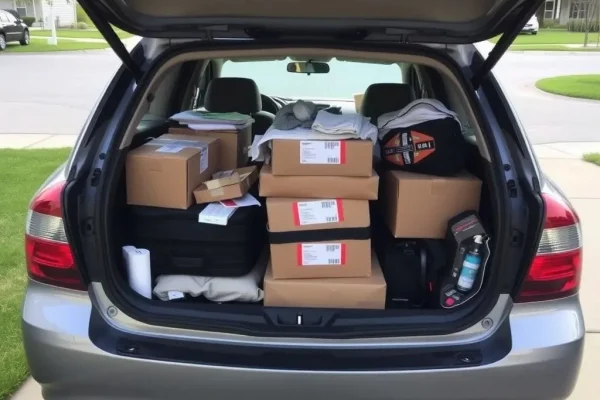
- Schedule Pickup: Arrange for the vehicle pickup. The transport company will coordinate with you on a convenient date and time. Ensure that the car is clean and free of personal items.
- Vehicle Inspection: Before loading‚ inspect your vehicle for existing damage. Document and photograph any scratches or dents as a reference for potential claims.
- Transit and Tracking: During transit‚ many companies offer tracking services to monitor your vehicle’s location. This provides peace of mind by updating you on the estimated transit time.
- Delivery and Drop-off: Once the vehicle reaches its destination‚ conduct another inspection before accepting delivery. Verify the car’s condition matches the pickup documentation.
Factors Influencing Shipping Cost
Several factors influence the cost of vehicle shipping:
- Distance: Longer distances generally result in higher costs.
- Vehicle Size and Weight: Larger and heavier vehicles may incur higher fees.
- Transport Type: Enclosed transport is more expensive than open transport.
- Season: Prices can vary with demand‚ such as during peak relocation seasons.
- Pickup and Drop-off Locations: Remote or less accessible locations might cost more.
Insurance and Protection
Most transport companies include insurance coverage in their service. It’s crucial to understand the specifics of the insurance policy provided‚ including coverage limits and what incidents are covered. Consider additional insurance for high-value vehicles or if the included coverage is insufficient.
Choosing the Right Auto Transport Company
When selecting a transport company‚ research is key. Consider these factors:
- Reputation and Reviews: Check customer reviews and ratings.
- Experience: Companies with a proven track record often provide better service.
- Licensing and Credentials: Verify that the company is registered with the Department of Transportation.
- Customer Service: Good communication and support can enhance your experience;
Understanding the process of shipping a car ensures a smooth and hassle-free experience. By choosing the right transport service‚ preparing your vehicle adequately‚ and knowing what to expect‚ you can minimize stress and ensure your vehicle arrives safely at its destination. Whether you opt for door-to-door service or prefer a terminal-to-terminal service‚ the key is to plan ahead and select a reputable logistics provider that meets your needs.